In the world of skincare, the question arises: Why is anti-aging important for skin care? The visible signs of aging can affect self-esteem and overall confidence. Fine lines, wrinkles, and uneven skin tone are often unwelcome changes in our appearance.
Understanding skin aging is crucial for developing an effective skincare regime. Environmental factors, such as pollution and sun exposure, accelerate this process. Moreover, genetics play a significant role. Effective anti-aging products can combat these effects by providing essential nutrients and antioxidants.
Addressing these concerns is not just about appearance. It reflects a commitment to self-care and health. However, many people overlook the importance of this aspect in their routines. Awareness and education on anti-aging can lead to a more youthful, vibrant complexion. In a society obsessed with youth, recognizing the value of aging gracefully is essential too.
Understanding the Basics of Anti-Aging in Skin Care
Understanding anti-aging in skin care involves recognizing how our skin changes over time. As we age, skin loses elasticity and hydration. Fine lines and wrinkles often appear, and skin may feel rougher. These changes can affect self-esteem and confidence. Addressing these issues requires a thoughtful approach to skin care.
Effective anti-aging strategies include using products with proven ingredients. Look for antioxidants, peptides, and hyaluronic acid. These components help combat free radicals and hydrate skin. Regular exfoliation also contributes to a smoother appearance. However, one must remember that no product will completely erase years.
Reflecting on personal skin care routines is essential. Are we consistent with our regimen? Do we protect our skin from sun damage every day? It’s crucial to listen to what our skin needs. Each individual’s journey is unique, and embracing imperfections can lead to greater self-acceptance. Effective anti-aging care is not just about looking younger but also feeling confident in our skin.
Understanding the Importance of Anti-Aging in Skin Care
The Biological Process of Aging and Its Effects on Skin
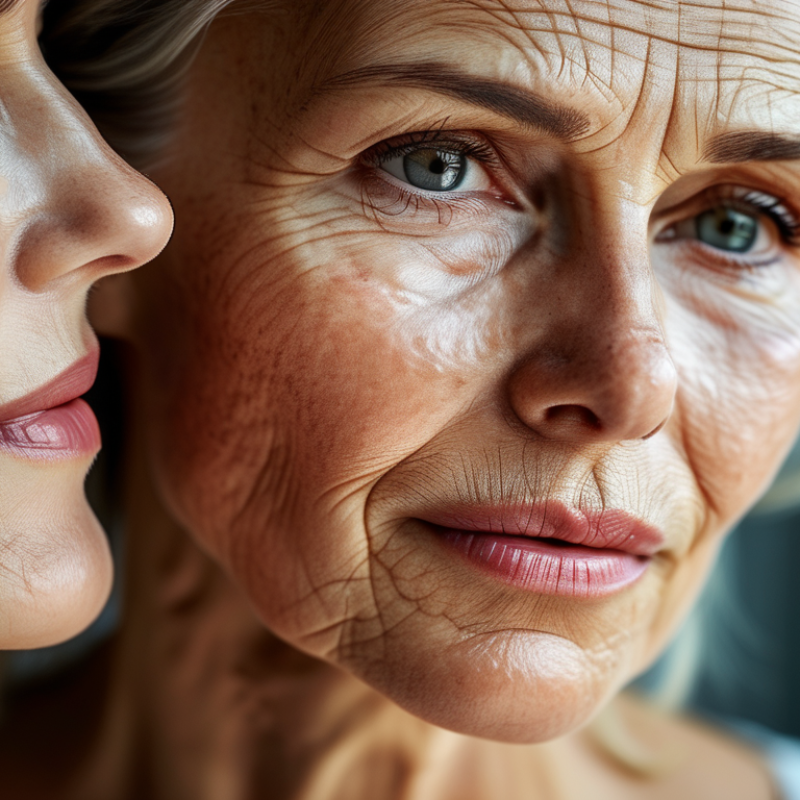
Aging is an inevitable biological process that profoundly impacts our skin. As we age, the skin undergoes various changes. Collagen production declines, leading to a loss of firmness. Elastic fibers also deteriorate, making the skin less resilient. These changes result in sagging, wrinkles, and an uneven texture. Sun exposure further accelerates these issues, contributing to pigmentation and fine lines.
The effects of aging on the skin are visible in everyone. Dullness can replace the natural glow of youth. Even with a diligent skincare routine, some may still notice these changes. Environmental factors can intensify the aging process. Pollutants and lifestyle choices play critical roles. For many, recognizing these aspects is essential for effective skin care.
Preventative measures are vital to combat the signs of aging. Hydration through moisturizers can improve skin texture. Antioxidants may help neutralize damage. However, results vary among individuals. Understanding one’s unique skin condition is crucial. Regular skin assessments can guide better choices. Embracing this journey involves both science and personal reflection.
Key Anti-Aging Ingredients and Their Benefits for Skin Health
Anti-aging is a vital aspect of effective skin care. Key ingredients play a significant role in maintaining skin health. Retinoids, derived from vitamin A, are known to enhance cell turnover. Research shows they can reduce fine lines by up to 30% in 12 weeks of use. This statistic highlights their effectiveness in promoting youthful skin.
Peptides are another noteworthy ingredient. They help stimulate collagen production, a protein responsible for skin elasticity. Studies indicate that peptides can improve skin texture and firmness significantly. An estimated 70% of users report noticeable changes within six weeks. This rapid response boosts confidence in anti-aging products.
Antioxidants, such as vitamin C and E, also contribute to skin vitality. They protect the skin from environmental damage and promote an even skin tone. According to a clinical trial, daily use of vitamin C serum showed an impressive 25% reduction in pigmentation after three months. Despite the clear benefits, it is essential to remember that results vary among individuals. Choosing the right combination of ingredients tailored to personal skin types is crucial for optimal outcomes.
Developing a Comprehensive Anti-Aging Skin Care Routine
A comprehensive anti-aging skin care routine is essential for maintaining healthy skin. The skin naturally loses collagen and elastin as we age, leading to wrinkles and sagging. According to a report by the American Academy of Dermatology, nearly 85% of adults experience some visible signs of skin aging by age 50.
To counteract these effects, it's crucial to incorporate products that promote cell turnover and hydration. Look for serums containing retinoids or peptides. These ingredients stimulate collagen production, which helps reduce fine lines. Regular use of sunscreen is vital; UV exposure is responsible for 90% of skin aging. Surprisingly, many people neglect this essential step.
Consistency is key. A well-rounded routine should include cleansing, exfoliating, and moisturizing. Yet, over-exfoliating can harm the skin barrier, leading to sensitivity. Adjust your routine based on your skin's response. It's a journey of trial and error. Celebrity estheticians often emphasize the importance of personalized care, as everyone's skin reacts differently. Adapting your routine to your specific needs will yield the best results in the long term.
The Role of Lifestyle Factors in Supporting Anti-Aging Effects
Aging is a natural process, but lifestyle choices can significantly influence our skin's condition. Nutrition, sleep, and exercise play crucial roles. A balanced diet rich in antioxidants helps combat free radicals that accelerate skin aging. Foods like berries, nuts, and leafy greens nourish the skin.
Tips: Stay hydrated. Drinking enough water keeps skin plump. Aim for at least eight glasses a day.
Quality sleep is often overlooked. The body repairs itself during rest, and this includes skin rejuvenation. Lack of sleep can lead to dullness, fine lines, and dark circles. Prioritize sleep for better skin health.
Tips: Create a calming bedtime routine. Limit screen time before bed to improve sleep quality.
Physical activity boosts blood circulation. This enhances the delivery of nutrients to your skin, aiding in its repair and rejuvenation. Regular exercise also reduces stress, which can harm skin appearance.
Remember, age is just a number. Focus on what you can control. Reflect on your daily habits and make adjustments for healthier skin. Embrace the journey.
FAQS
: Collagen production declines, leading to less firmness in the skin.
Sun exposure accelerates aging, causing pigmentation and fine lines.
A diligent routine helps, but some may still see aging signs.
Antioxidants protect skin and promote an even tone, reducing environmental damage.
Staying hydrated is essential. It keeps the skin plump and healthy.
Quality sleep supports skin repair. Lack of sleep leads to dull skin and fine lines.
Nutrition, sleep, and exercise significantly impact our skin's condition.
Some ingredients may show noticeable changes within weeks, but results vary.
Regular assessments help tailor products to your unique skin condition for better results.
A balanced diet rich in berries, nuts, and greens nourishes the skin effectively.
Conclusion
Anti-aging is crucial for effective skin care as it addresses the intrinsic biological processes that lead to skin deterioration over time. Understanding the basics of anti-aging involves recognizing how aging affects skin structure and functions, often resulting in wrinkles, loss of elasticity, and uneven texture. Key anti-aging ingredients, such as antioxidants, retinoids, and peptides, play significant roles in promoting skin health by stimulating collagen production and repairing skin damage.
Developing a comprehensive anti-aging skin care routine tailored to individual skin types is essential for maximizing benefits. Additionally, lifestyle factors, including nutrition, hydration, and sun protection, can significantly bolster anti-aging effects. Ultimately, understanding "why is anti-aging important for skin care" emphasizes the necessity of proactive measures to maintain youthful, healthy skin throughout one’s life.

 Earts Beauty