In recent years, the popularity of skin care devices for the face has surged. According to a report by Grand View Research, the global skin care devices market is projected to reach $37.5 billion by 2026. This growth highlights the increasing interest in advanced skin care technologies. Many consumers wonder, "What do skin care devices do for the face?"
These devices offer benefits like improved skin texture, reduced wrinkles, and enhanced radiance. Many tools harness technologies such as LED light therapy, microdermabrasion, and ultrasonic waves. However, choosing the right device can be overwhelming due to the multitude of options available. Every person's skin is unique, making a one-size-fits-all solution impractical.
Consumers often need to reflect on their skin types, concerns, and desired outcomes. While some devices can yield quick results, others may require consistent use over time. It’s essential to research and consult with professionals to avoid potential pitfalls. Remember, the effectiveness of a device can vary significantly from person to person, and what works for one may not work for all.
Understanding Different Types of Skin Care Devices for Facial Care
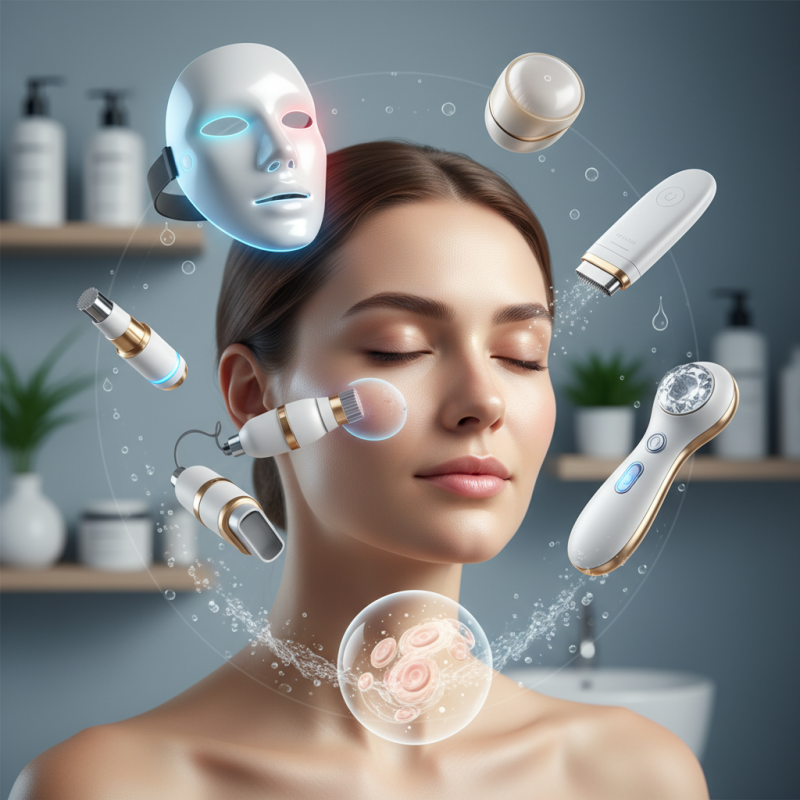
When it comes to skin care devices for your face, understanding the different types is crucial. There are several kinds of devices available, each designed for specific treatments. For instance, cleansing devices help to remove impurities more effectively than manual washing. These devices often come with bristles or sonic technology that can enhance your cleansing routine.
Anti-aging tools, like LED masks or microcurrent devices, target wrinkles and sagging skin. They work by stimulating collagen production and improving blood circulation. Many users report a noticeable difference after regular use. However, results can vary significantly among individuals. What works for one person might not work for another.
On the other hand, devices for hydration can help lock in moisture. Some people find these products invaluable during dry seasons. Yet, reliance on devices can lead to neglecting basic skin care. It’s essential to pair these devices with a consistent skincare regimen. Overuse can also result in skin irritation. Always reflect on how your skin reacts to these technologies before fully committing.
Key Factors to Consider When Choosing Skin Care Devices
When selecting skin care devices for your face, several key factors merit consideration. Skin type is paramount. For instance, a 2022 report by the American Academy of Dermatology reveals that around 50% of individuals experience sensitive skin at some point. Understanding your skin's unique needs is essential. This may influence whether you opt for cleansing brushes, LED masks, or microcurrent devices.
The technology behind these devices also plays a critical role. According to a recent study published in the Journal of Cosmetic Dermatology, over 70% of users reported improvements in skin texture when using devices that combine different technologies. However, some devices may not be effective for everyone. The varied results can lead to frustration, reminding us the need for thorough research and perhaps even trial and error.
User reviews can be a double-edged sword. While they provide insights, studies show that 60% of consumers find it challenging to discern genuine feedback from biased testimonials. It's wise to seek information from dermatologists or licensed estheticians. Their expertise can guide you in making informed choices. Remember, every face is different, and what works for one may not suit another. Reflect on your experiences and adjust your routine as necessary.
2026 How to Choose Skin Care Devices for Your Face? - Key Factors to Consider When Choosing Skin Care Devices
| Factor |
Description |
Importance Level |
Recommended Usage Frequency |
| Skin Type Compatibility |
Ensure the device is suitable for your specific skin type (oily, dry, combination, sensitive). |
High |
Daily |
| Functionality |
Select devices that offer specific functions like cleansing, exfoliation, or anti-aging. |
Medium |
2-3 times a week |
| Ease of Use |
Devices should be easy to handle and operate for effective results. |
High |
As needed |
| Portability |
Consider devices that are lightweight and can be easily stored or carried. |
Low |
N/A |
| Safety Features |
Look for devices with safety mechanisms like automatic shut-off or skin sensors. |
High |
Always |
| Price |
Choose devices within your budget while ensuring quality and features. |
Medium |
N/A |
Evaluating the Effectiveness of Skin Care Devices
When evaluating skin care devices for facial treatments, it’s essential to consider their effectiveness. Different devices claim various benefits, from reducing wrinkles to enhancing hydration. Start by examining the technology used in these devices. For instance, some might use LED light therapy, while others employ ultrasonic waves. Each technology has distinct benefits, making understanding them crucial.
User reviews offer valuable insights. Customers often share personal experiences, highlighting both successes and failures. Some might rave about improved skin texture, while others may find no difference. This contrast is important. It emphasizes that results can vary significantly based on skin type and individual needs. Ensure you look for devices that come with clinical evidence or expert endorsements. These add a layer of trust and credibility.
It's also wise to reflect on your skin care routine. A device can enhance results, but it shouldn't replace foundational care. Think about your skin’s unique characteristics. Does it react well to certain treatments? Are there any sensitivities? Tailoring your approach by understanding both the device and your skin is vital for achieving desired results.
Skin Type Assessment: Matching Devices to Individual Needs
Understanding your skin type is crucial when selecting the right skin care devices for your face. Oily, dry, sensitive, and combination skin all have distinct needs. For instance, those with oily skin may benefit from devices that help reduce excess oil and prevent breakouts. Conversely, individuals with dry skin should focus on hydration-enhancing devices.
Consider your skin's specific issues. Are there areas with redness or irritation? For sensitive skin, devices must be gentle and soothing. Avoid harsh options that may cause damage. Test devices on a small area first.
Keep in mind that skin can change over time. What works today may not suit your skin tomorrow. Regular assessments can help identify these changes. This proactive approach ensures your regimen remains effective. Balance your routine with the right tools for long-lasting results.
Skin Care Device Effectiveness by Skin Type
Safety and Maintenance Tips for Skin Care Devices
When choosing skin care devices for your face, safety and maintenance are crucial. A recent report highlights that nearly 70% of users have experienced skin irritation from improperly maintained devices. Regular cleaning is essential. Use a gentle cleanser to wipe down the device after each use. This helps prevent bacteria buildup that can lead to infections.
Moreover, proper storage plays a role in device longevity. Keep devices in a cool, dry place away from direct sunlight. Studies indicate that 40% of users do not store their devices correctly, causing them to degrade faster. Check for any signs of damage, like frayed cords or cracks, before use. If you notice any, it’s best to replace the unit.
Understanding how to use these devices safely is vital. Follow the manufacturer's guidelines closely. Using too much pressure can harm your skin. Aim for a soft touch during application. Research estimates that about 30% of users misuse devices, which can lead to adverse effects. Regular assessment of your device’s condition and your usage habits can enhance your skin care journey.
FAQS
: There are cleansing devices, anti-aging tools, and hydration devices, each serving specific needs.
They remove impurities more effectively than manual washing, using bristles or sonic technology.
Yes, many users see improvements in wrinkles and sagging skin, but results can vary widely.
Different skin types require different devices. Oily skin needs oil-reducing tools, while dry skin benefits from hydration devices.
Your skin's needs can change over time, so regular assessments are essential to ensure devices remain appropriate.
Clean devices regularly and store them properly to avoid bacteria buildup and damage.
Yes, misusing devices can harm your skin. Use gentle pressure and follow manufacturer instructions.
It's best to replace damaged devices to avoid potential injuries.
Yes, overuse can lead to irritation. It's important to balance device usage with a basic skincare routine.
Keep them in a cool, dry place away from sunlight to prolong their life.
Conclusion
When it comes to selecting skin care devices for facial care, it’s essential to understand the various types available and what do skin care devices do for the face. Different devices can target specific skin concerns, such as wrinkles, acne, or pigmentation, making it crucial to evaluate effectiveness and match the device to one’s individual skin type.
Key factors to consider include the device's technology, ease of use, and safety features. Conducting a skin type assessment can help identify which devices will be most beneficial. Additionally, proper maintenance and safety guidelines are vital to ensure optimal performance and longevity of the devices. By considering these elements, individuals can make informed decisions that support their skin care journey.

 Earts Beauty